
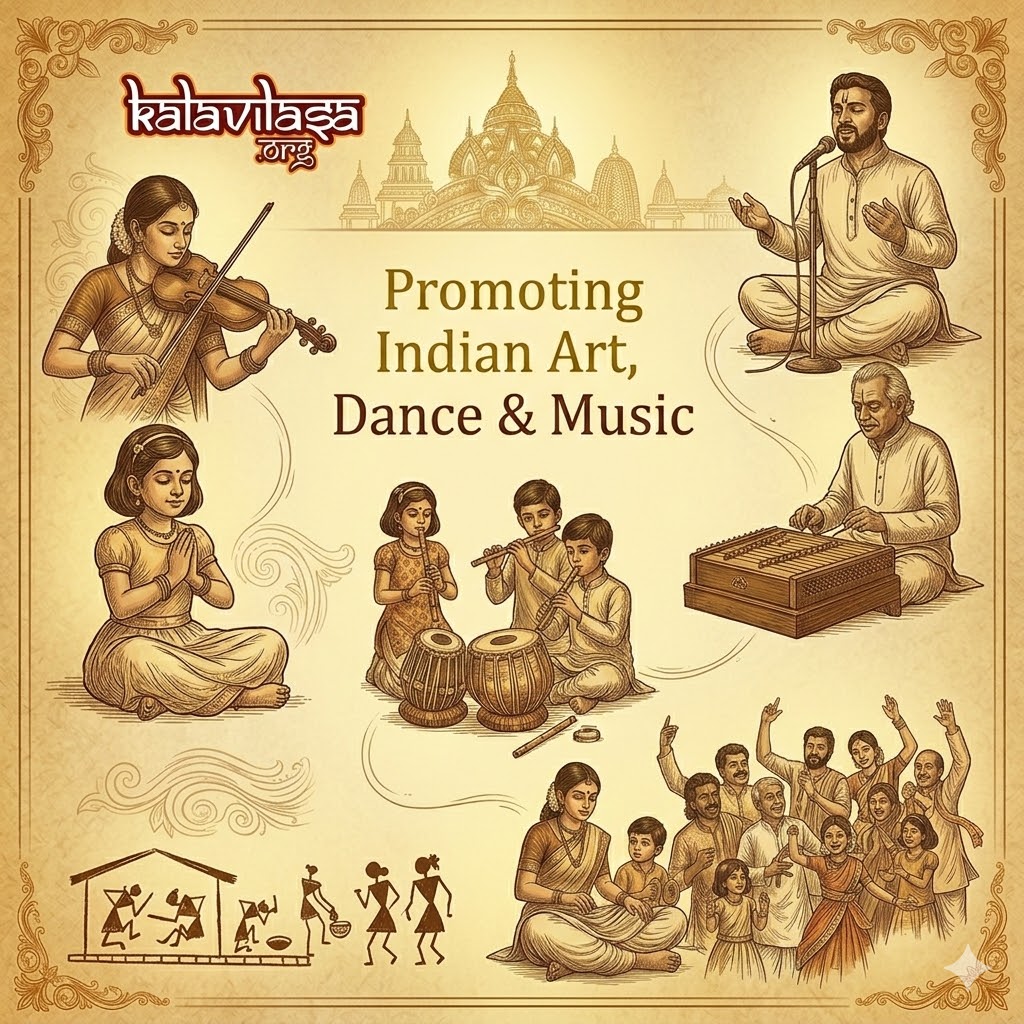
Indian classical music and dance are far more than artistic performances—they are living traditions that carry centuries of philosophy, discipline, and cultural wisdom. In today’s fast-paced world, preserving and encouraging these art forms has become increasingly important, especially for younger generations.
Indian classical arts such as Carnatic music, Bharatanatyam, and instrumental traditions like violin and veena offer more than entertainment. They cultivate patience, concentration, and emotional expression while strengthening a child’s connection to cultural heritage.
Building Discipline and Confidence
Learning classical music or dance requires consistent practice, dedication, and attention to detail. Students develop strong discipline through structured training and performance preparation. These skills often translate into other areas of life, helping young artists build confidence and resilience.
Performing on stage also helps children overcome stage fear and gain the ability to present themselves with clarity and poise.
Connecting with Cultural Roots
For many families living outside India, classical arts serve as a powerful bridge to cultural identity. Through music compositions, devotional songs, and dance narratives rooted in ancient texts, young performers gain deeper appreciation for tradition, philosophy, and spirituality.
This connection strengthens cultural continuity across generations.
The Importance of Performance Platforms
Talent flourishes when artists are given opportunities to perform and grow. Platforms that host classical concerts, youth recitals, and cultural gatherings play a crucial role in encouraging both emerging and experienced performers.
Organizations dedicated to promoting Indian classical arts help ensure that these traditions continue to thrive by providing meaningful stages where artists can share their creativity with supportive audiences.
Sustaining a Living Tradition
Indian classical arts are a shared cultural treasure. When communities support performances, attend concerts, and encourage young artists, they contribute to sustaining a vibrant artistic ecosystem.
By nurturing talent and celebrating tradition, we ensure that the beauty and depth of Indian classical music and dance continue to inspire generations to come.