
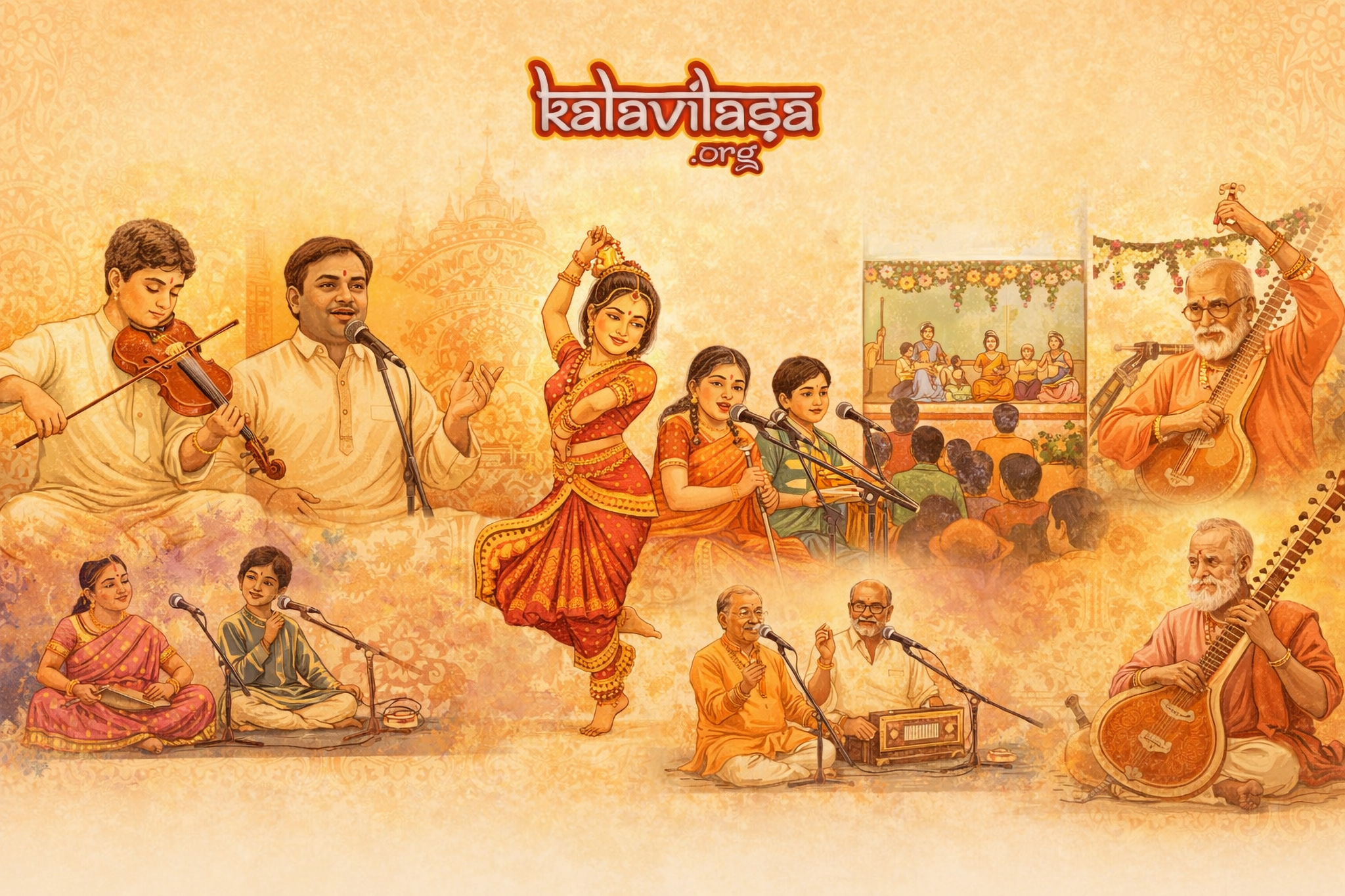
Indian classical music and dance have evolved over centuries through the dedication of gurus, artists, and cultural patrons who ensured that these traditions were passed from one generation to the next. Today, cultural platforms play a vital role in sustaining these art forms by creating opportunities for artists to perform and audiences to experience authentic classical performances.
Creating Meaningful Performance Opportunities
For musicians and dancers, performing before an audience is an essential part of artistic growth. Concerts, recitals, and cultural festivals provide artists with valuable stage experience, allowing them to refine their skills and share their creativity with the community.
Platforms that regularly host classical music concerts and dance performances contribute significantly to the vitality of the cultural ecosystem.
Supporting Artists and Cultural Exchange
Cultural initiatives often bring together a diverse range of performers—from young students presenting their early recitals to visiting artists and seasoned performers sharing their expertise. This interaction encourages learning, mentorship, and artistic exchange.
Such programs enrich the cultural environment and help audiences appreciate the depth and diversity of Indian performing arts.
Strengthening Community Engagement
Cultural events bring communities together in celebration of tradition, music, and artistic expression. Families, students, and cultural enthusiasts gather not only to enjoy performances but also to support the preservation of heritage.
When communities actively participate in these programs, they help sustain the cultural institutions that nurture artists and keep these traditions alive.
Preserving Tradition for Future Generations
Indian classical arts are part of a rich legacy that deserves to be protected and celebrated. Cultural platforms that organize concerts, youth showcases, and devotional programs help ensure that this legacy continues to flourish.
Through collective effort—artists, audiences, patrons, and volunteers—these traditions remain vibrant, relevant, and inspiring for generations to come.